The Optimization Trap: Beyond FOMO and the Pressure to Make the Most of Life
Why Trying to Make the Most of Every Moment Can Keep You from Enjoying Your Life
The Pressure to Optimize Joy and How to Find It Again
Have you ever had a free weekend only to spend most of it wondering if you were using it "correctly"?
Maybe you felt pressure to choose the perfect hike, the best restaurant, the most meaningful way to spend time with loved ones, or the most “productive” form of rest.
Here in Seattle it’s often how to best utilize summer time.
Maybe you scrolled through endless options before making a decision or found yourself unable to fully enjoy what you chose because another option might have been better.
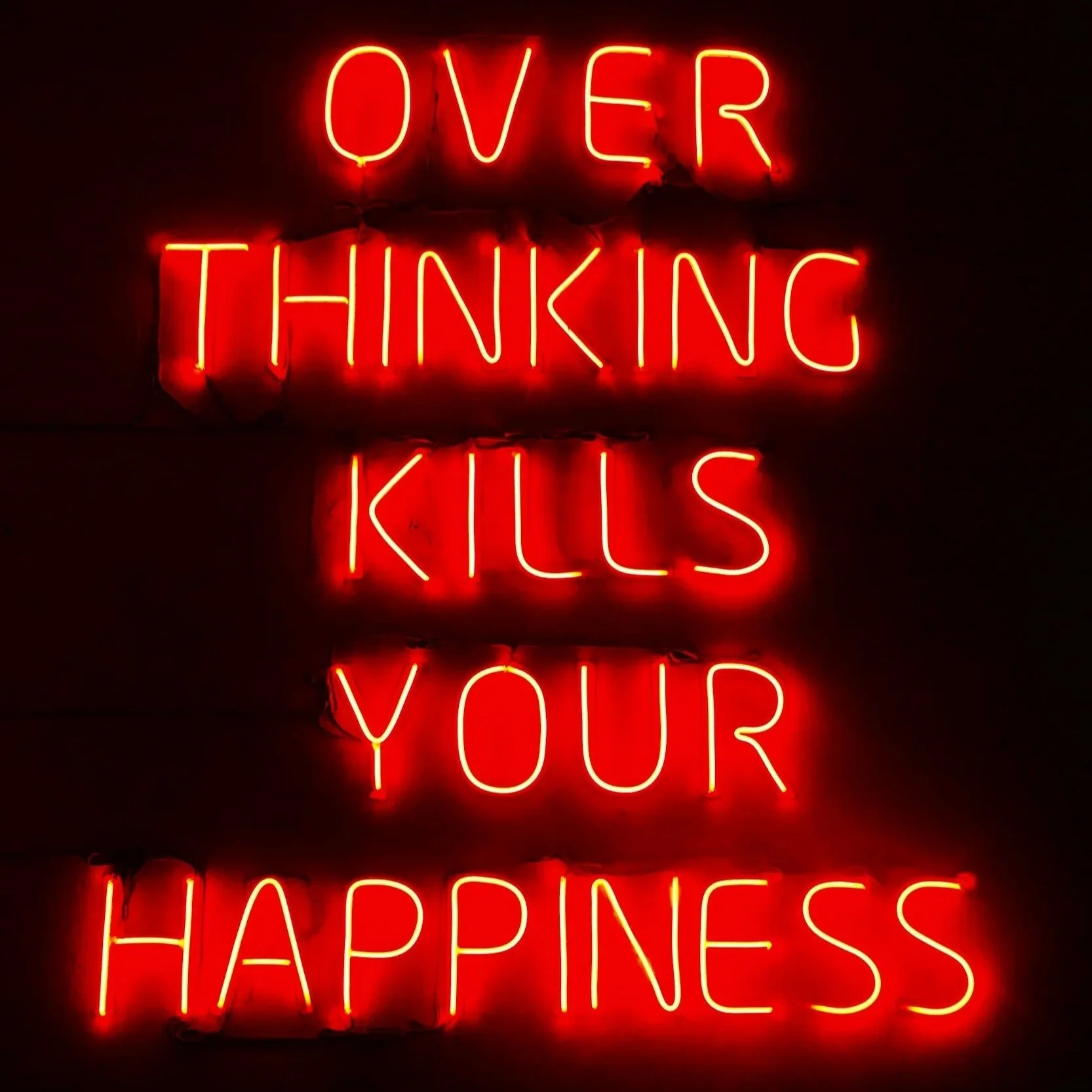
Many people today aren't just busy they're exhausted by the constant pressure to optimize their lives. Even our leisure time can begin to feel like another performance, another opportunity to maximize happiness, personal growth, or memorable experiences.
As a Buddhist therapist, I often work with clients who feel anxious not because they lack opportunities for joy, but because they're afraid of wasting them. Ironically, the harder we try to squeeze the most out of every moment, the less present we become for the moments we're actually living.
Joy isn't something we can optimize. It's something we learn to notice.
When Joy Becomes Another Task
It's natural to want your time to matter. Most of us have limited crumbs of free time, and we want to spend it well.
The problem begins when every choice feels loaded with pressure.
You might notice yourself:
Overthinking how to spend weekends or optimizing vacation time
Feeling disappointed after activities that were supposed to be fun
Comparing your experiences to other people's
Feeling guilty for resting or doing "nothing"
Constantly wondering if there's a better option
Struggling to be present because you're evaluating the experience while it's happening
Instead of feeling refreshed by your free time, you leave it feeling oddly depleted.
Why We Feel Pressure to Optimize Everything
Part of this pressure comes from the culture we live in.
We have access to endless recommendations, productivity advice, travel guides, wellness routines, and social media highlights. Late-stage Capitalism and dopmine culture always finds ways to “optimize.”
Over time, this creates the belief that every moment should be:
Meaningful
Productive
Memorable
Efficient
Picture or post worthy
Worth it the time
If we're not careful, even relaxation becomes another achievement to unlock.
From a Buddhist perspective, this reflects a subtle form of grasping the mind's attempt to minimize suffering by controlling every experience. But happiness doesn't arise from perfect circumstances. It arises from our relationship to the present moment.
The Hidden Cost of Optimization
When we're constantly evaluating whether we're making the right choice, we stop fully inhabiting the choice we've already made.
Instead of enjoying dinner with friends, we're wondering whether another restaurant would have been better, or if the money spent was worth the food.
Instead of appreciating a quiet afternoon at home, we're questioning whether we should have gone somewhere more exciting.
Instead of relaxing on vacation, we're trying to make every hour count.
The mind becomes busy measuring, comparing, and improving.
Joy, however, doesn't usually appear under pressure.
It tends to emerge when we stop demanding that every moment justify itself.
Why This Happens (Especially to High Achievers)
Many of the clients I work with are thoughtful, conscientious people who are used to making careful decisions.
They've learned to:
Be responsible
Make smart choices
Maximize opportunities
Avoid mistakes
Use time efficiently
These qualities can be genuine strengths.
But they can also create an internal rule:
"If I choose wrong, I'll miss out."
The tendency to search for the absolute best option rather than one that is simply good enough.
While maximizing feels like it should lead to greater satisfaction, research consistently suggests that it often increases anxiety, regret, and second-guessing instead.
How Mindfulness Helps You Experience More Joy
Mindfulness doesn't ask us to lower our standards or stop caring.
It invites us to stop treating every experience like a problem to solve.
Rather than asking:
"Am I getting enough out of this?"
"Is this the best use of my time?"
"Should I be doing something else?"
Mindfulness gently shifts the question toward:
"What is happening right now?"
"Can I allow this moment to be enough?"
"What do I notice when I'm not trying to improve the experience?"
This shift often creates more space for genuine enjoyment than endless optimization ever could.
The Role of Buddhist Therapy
Buddhist therapy combines uses mindfulness, compassion, and insight.
When clients come in feeling overwhelmed by the pressure to make every decision perfectly, we rarely focus on making better decisions.
Instead, we explore the relationship they're developing with uncertainty, expectations, and self-worth.
Learning to Let Experiences Be Ordinary
One of the most freeing realizations is that not every weekend has to be unforgettable.
Not every meal has to become your new favorite.
Not every vacation has to change your life.
Ordinary moments are not failures.
In fact, much of life and happiness is wonderfully ordinary.
Practicing Compassion Instead of Evaluation
Optimization often comes with a harsh inner critic.
It says things like:
"You're wasting your day."
"You should be doing something better."
"You're missing out."
Compassion responds differently.
It asks:
"What do I actually need today?"
"Can enough be enough?"
"What if I didn't have to earn joy?"
That shift can dramatically reduce anxiety while increasing genuine satisfaction.
Finding Freedom in "Good Enough"
Buddhist practice doesn't encourage settling for less.
It encourages letting go of the impossible demand that every experience deliver perfect happiness.
Ironically, when we stop chasing extraordinary moments, we're often able to appreciate the ordinary ones much more deeply.
Signs You May Be Caught in the Optimization Trap
You may benefit from slowing down and becoming more mindful if:
Free time feels strangely stressful
You frequently second-guess your choices
You compare your experiences to others'
Rest feels unproductive
You have trouble enjoying activities while you're doing them
You're always searching for the next thing that will finally make you feel fulfilled
These patterns don't mean you're doing life wrong.
They often mean your mind has become stuck in the habit of chasing satisfaction rather than experiencing it.
Finding Joy Again
Real joy is surprisingly mundane
It often shows up while laughing with someone you love, sitting outside with a cup of coffee, taking a walk without tracking your steps, or reading a book simply because you enjoy it.
These moments rarely announce themselves as important.
They're easy to overlook when we're busy trying to optimize them.
Therapy can help you step out of the cycle of constant evaluation and reconnect with a way of living that feels more spacious, grounded, and alive.
Ready to Slow Down Without Missing Out?
If you find yourself constantly chasing the "best" way to spend your time but still feeling dissatisfied, therapy can help you cultivate a different relationship with joy.
As a Buddhist therapist, I help clients move away from perfectionism, chronic striving, and anxiety toward a life that feels more present, meaningful, and sustainable.
Ready to Take the Next Step?
I offer a free therapy consultation where we can talk about what's been keeping you stuck and explore whether working together feels like the right fit.
You don't have to optimize your way into a meaningful life.
Sometimes the deepest joy is found in finally allowing yourself to simply be where you are.
Book a Free Consultation Here